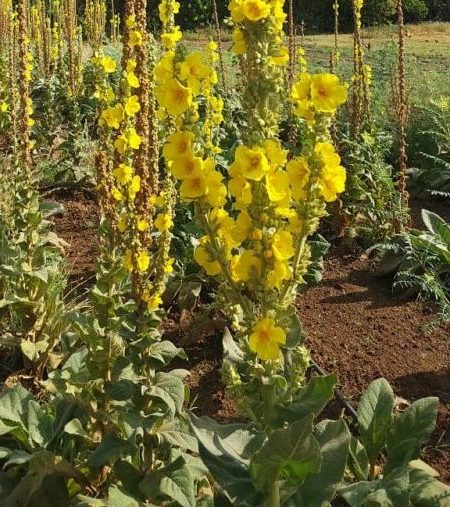
Mullein – from plants to infusions and oils
Surprising Benefits Of The Roadside Weed You Thought You Knew
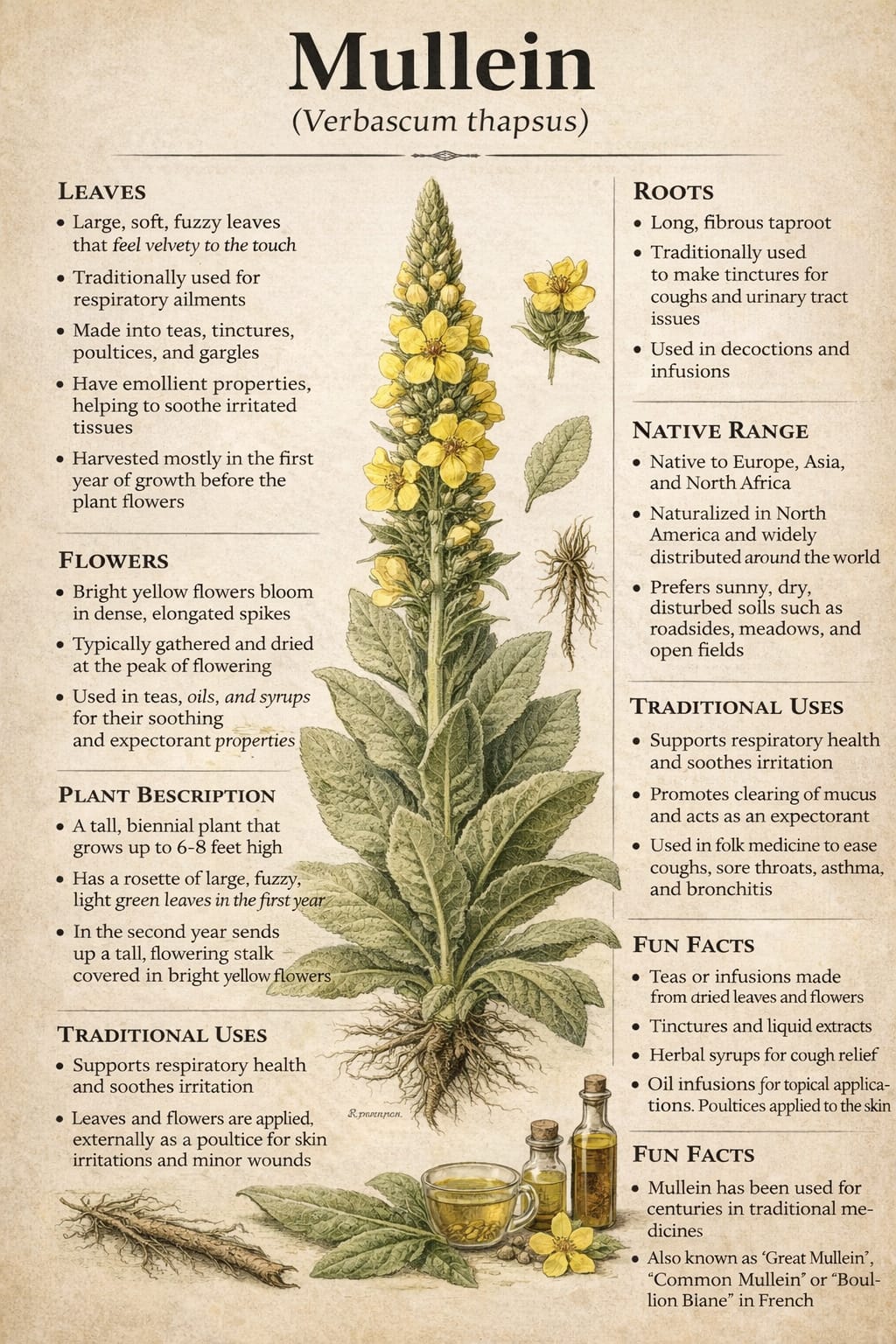
You may have seen it a thousand times—a tall, fuzzy stalk standing like a sentinel along roadsides, in forgotten fields, and sunny, disturbed patches of earth. For most, common mullein (Verbascum thapsus) is just another weed. But for an herbalist, this isn’t a weed; it’s a landmark. What if that unassuming giant is actually a powerhouse of traditional medicine, with a history of healing that stretches from its delicate yellow flowers right down to its deep taproot?
This is a plant with secrets. While many know it as a simple cough remedy, its true potential is far more versatile. This article unveils five of the most impactful and unexpected benefits of mullein, revealing it to be a profound, head-to-toe herbal ally hiding in plain sight.
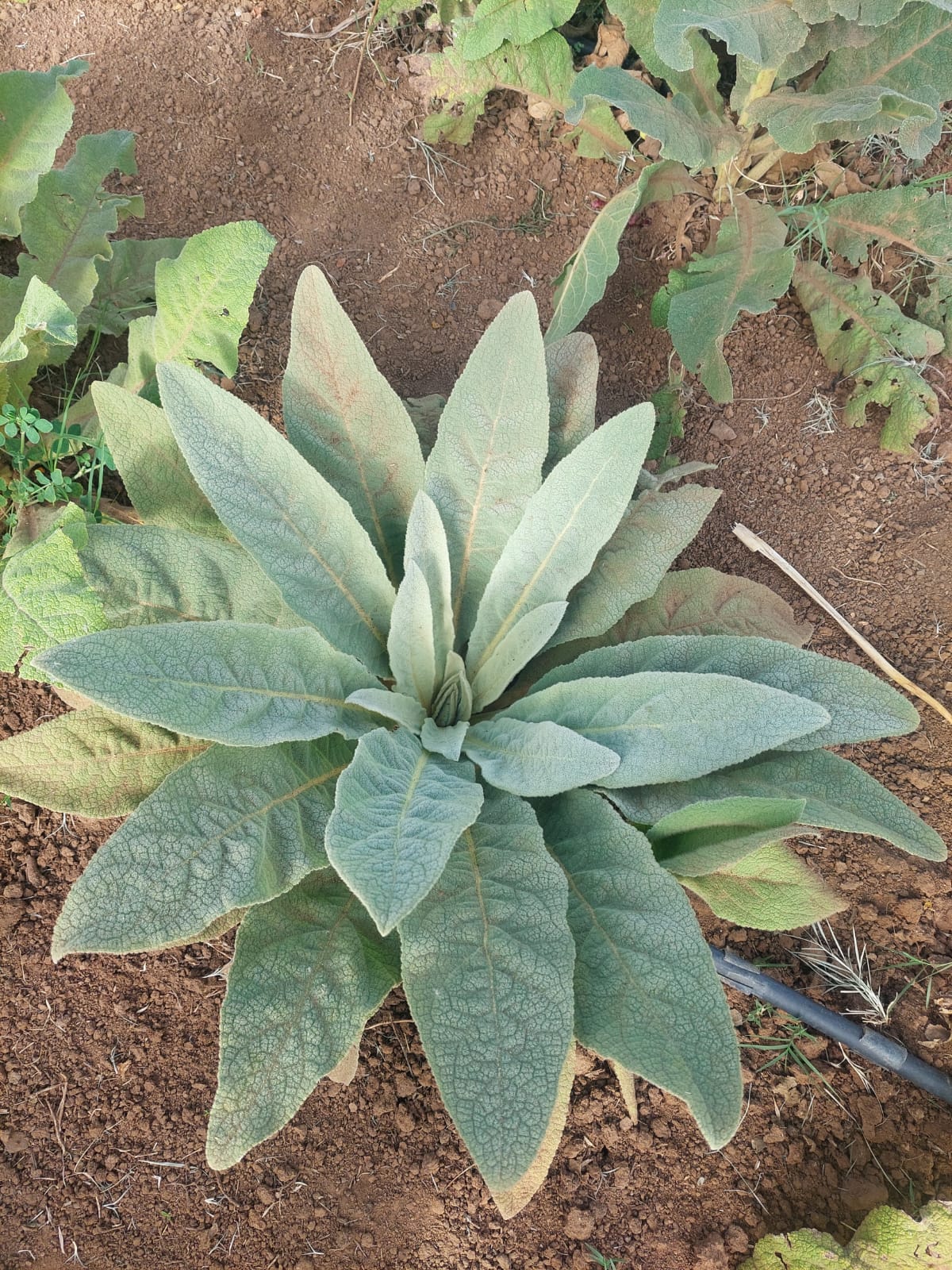
It Soothes the Lungs In A Counter-Intuitive Way (The Leaf)
Mullein leaf is famously regarded as a premier remedy for the respiratory system. As a demulcent, it soothes irritation in the throat and bronchial passages, and as an expectorant, it helps the body break up and expel stubborn mucus. It is specifically indicated for dry, tickly, unproductive coughs that leave the chest feeling raw and sore.
However, one of its most fascinating traditional uses is also the most counter-intuitive: smoking the dried leaves. Inhaling wisps of the smoke was used as a direct-delivery method to relax the lungs during an asthmatic attack or to calm a spasmodic, wheezing cough.
Herbalist Matthew Wood describes its specific indications: “[Mullein] is particularly used for dry, irritable, tickly coughs – the tickle sensation is usually evidence of inflammation conjoined with water stuck in the mucosa or skin. It is indicated in old coughs where the velvety carpet of the lungs, the hairs, are inflamed or worn down, so to speak.”
To harness its benefits safely as a tea, a crucial step is required. These same dense, protective hairs that give the leaf its famously fuzzy texture are what can cause irritation if they aren’t meticulously strained out. Always strain mullein leaf tea through a coffee filter or fine mesh cloth to remove the tiny hairs, which can irritate the throat.
It’s A Surprising Ally For Your Spine And Joints (The Root & Leaf)
Beyond the lungs, mullein offers profound support for the musculoskeletal system. From a traditional herbalist’s perspective, this aligns with the ‘Doctrine of Signatures’—the idea that a plant’s appearance hints at its use. Mullein’s powerful, straight stalk, shooting up from its root in its second year, is seen as a signature of its ability to support spinal alignment and structure.
Mullein root tincture, in particular, is traditionally used for back pain, especially when there are spinal misalignments or “kinks.” herbalist jim mcdonald notes that he uses small doses of the tincture to help his back feel “perfectly aligned.” Both the leaf and root are believed to lubricate connective tissues, cartilage, and joints, making them useful for joint pain and inflexibility.
It’s A Gentle, Time-Tested Remedy For Painful Earaches (The Flower)
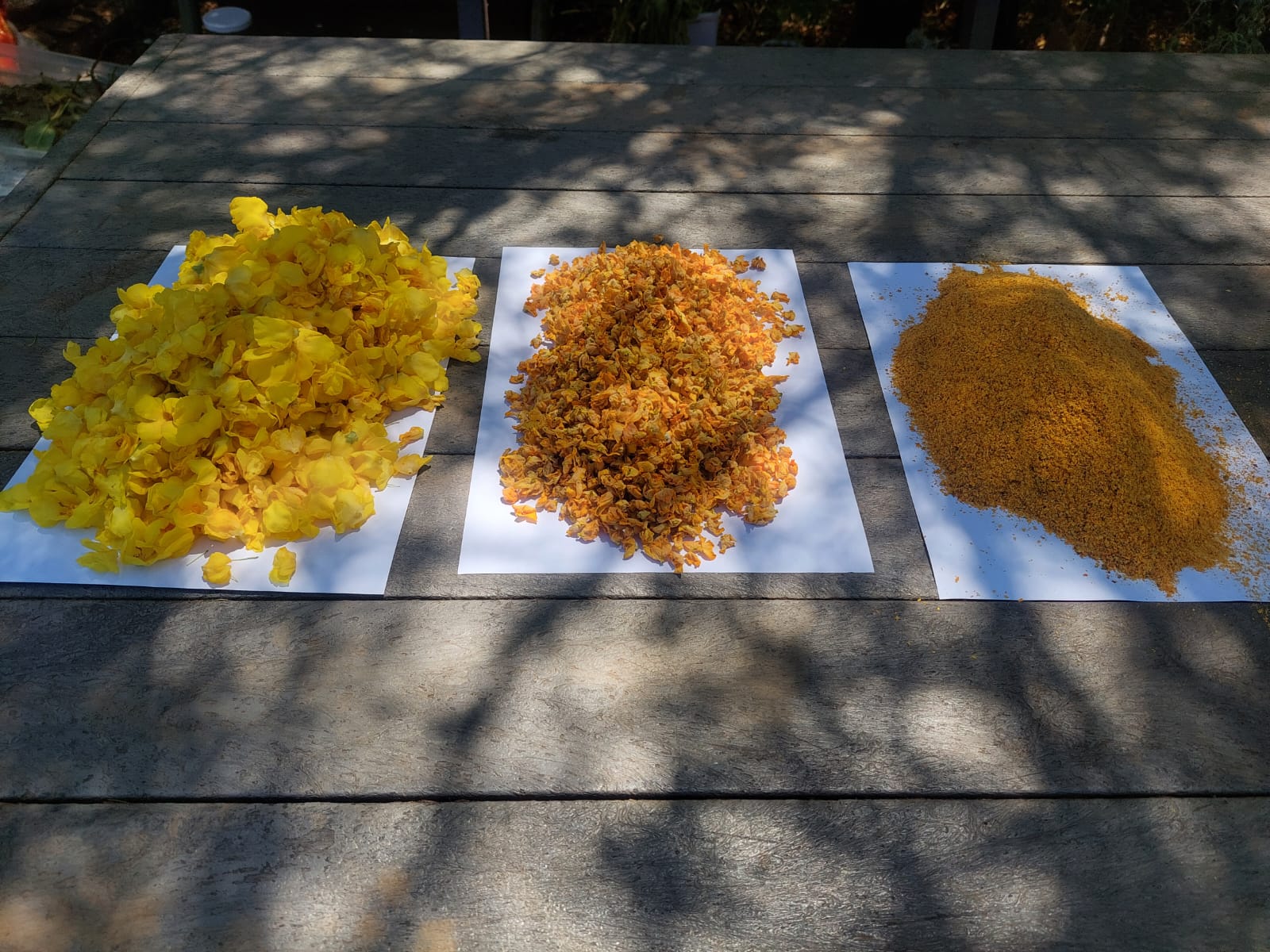
The classic folk remedy for a painful earache is a warm, infused oil made from mullein’s delicate yellow flowers. This preparation is a go-to for relieving ear pain, reducing inflammation, and helping to resolve fluid congestion within the ear canal. For added benefit, mullein flower oil is often combined with garlic-infused oil, a classic combination that adds an antimicrobial component to the remedy for ear infections.
The flowers also act as a lymphatic tonic, helping to address infection and swelling in the glands around the ears and neck that often accompany an ear infection. The application is simple: just a few drops of slightly warmed mullein flower oil are placed in the ear canal to soothe the ache.
A critical safety warning applies: Mullein oil should never be used in the ear if the eardrum is perforated.
It’s A Clinically-Proven Wound Healer (The Leaf)
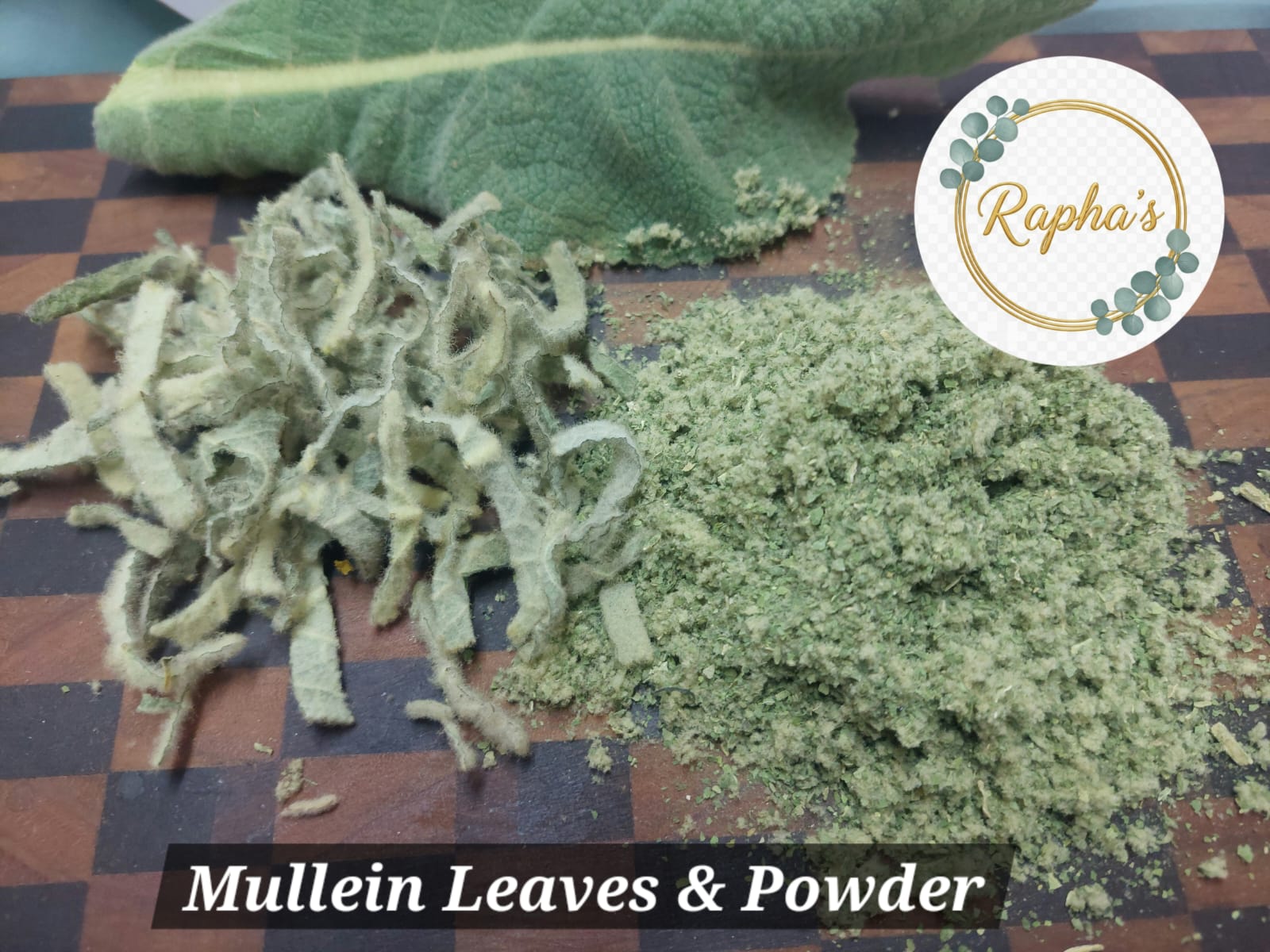
While herbalists have long used mullein topically, modern science is now validating this ancient wisdom. In a powerful example, a randomized controlled trial tested a topical cream made from Verbascum thapsus against a placebo for healing episiotomy wounds in new mothers. The results were clear and impactful: on the tenth day, the mean healing scores were significantly better in the mullein group compared to the placebo group.
Mullein’s power as a vulnerary (a substance that promotes wound healing) is attributed to the plant’s rich content of flavonoids and phenols, compounds that stimulate collagen synthesis and have powerful anti-inflammatory properties. This is a perfect example of traditional knowledge being confirmed by rigorous scientific evidence, solidifying mullein’s reputation as a potent healer.
It Strengthens And Supports The Bladder (The Root)
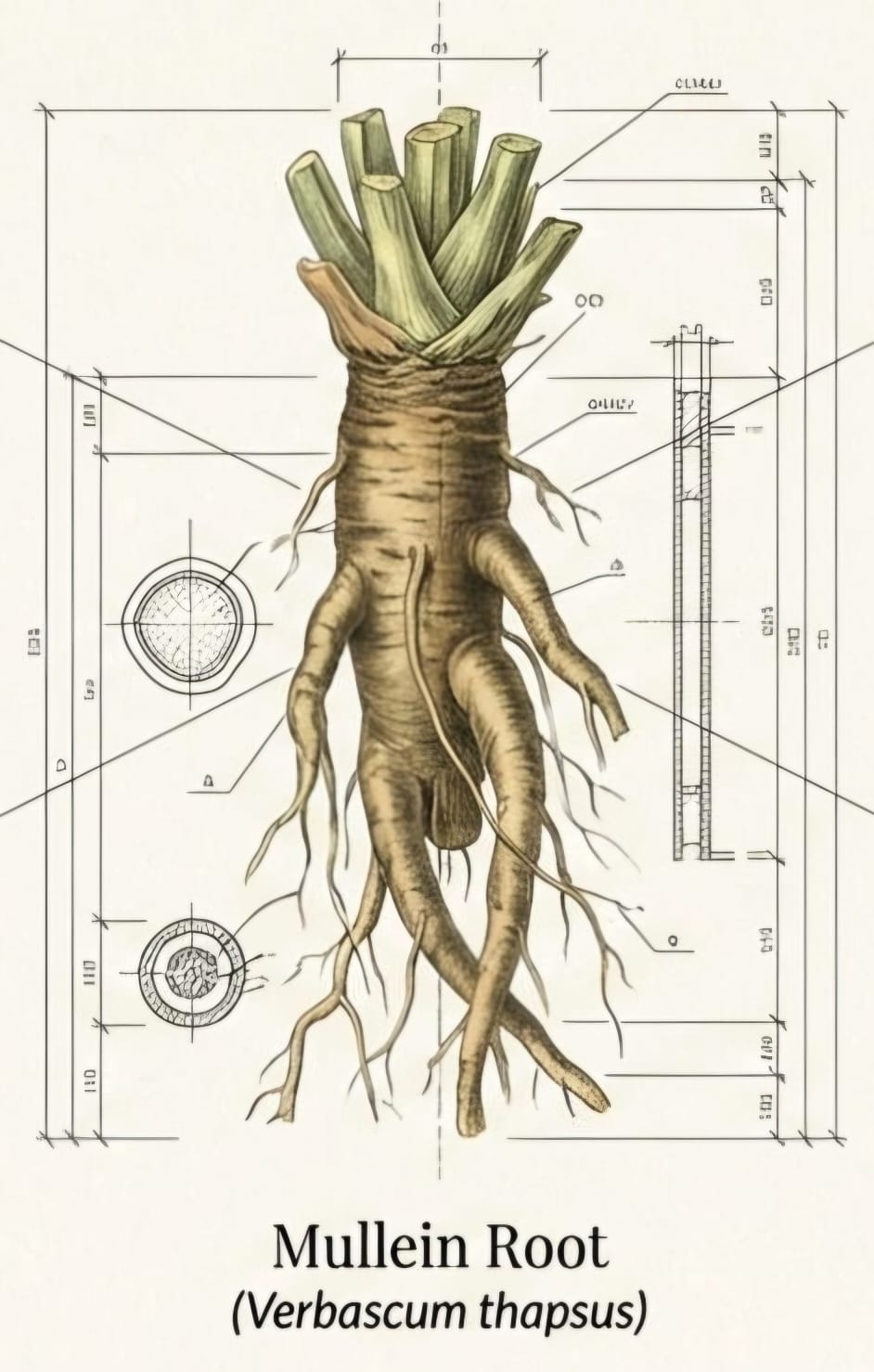
Another of mullein’s lesser-known but highly specific uses is the root’s ability to act as a tonic for the bladder. It is traditionally used to strengthen the bladder muscles, making it a valuable ally for various types of urinary incontinence.
Herbalists turn to mullein root for stress incontinence (leaking when coughing, sneezing, or jumping), menopausal incontinence, and even childhood bedwetting. It is also used as part of protocols for interstitial cystitis, also known as irritable bladder syndrome.
Herbalist Darcy Williamson speaks to this benefit with a powerful and personal testimonial: “Mullein root strengthens the bladder muscles. I am no longer a moon woman… except, when I laughed too hard, tears rolled down my legs. Mullein root took care of that problem!”
Bringing Mullein’s Benefits Home
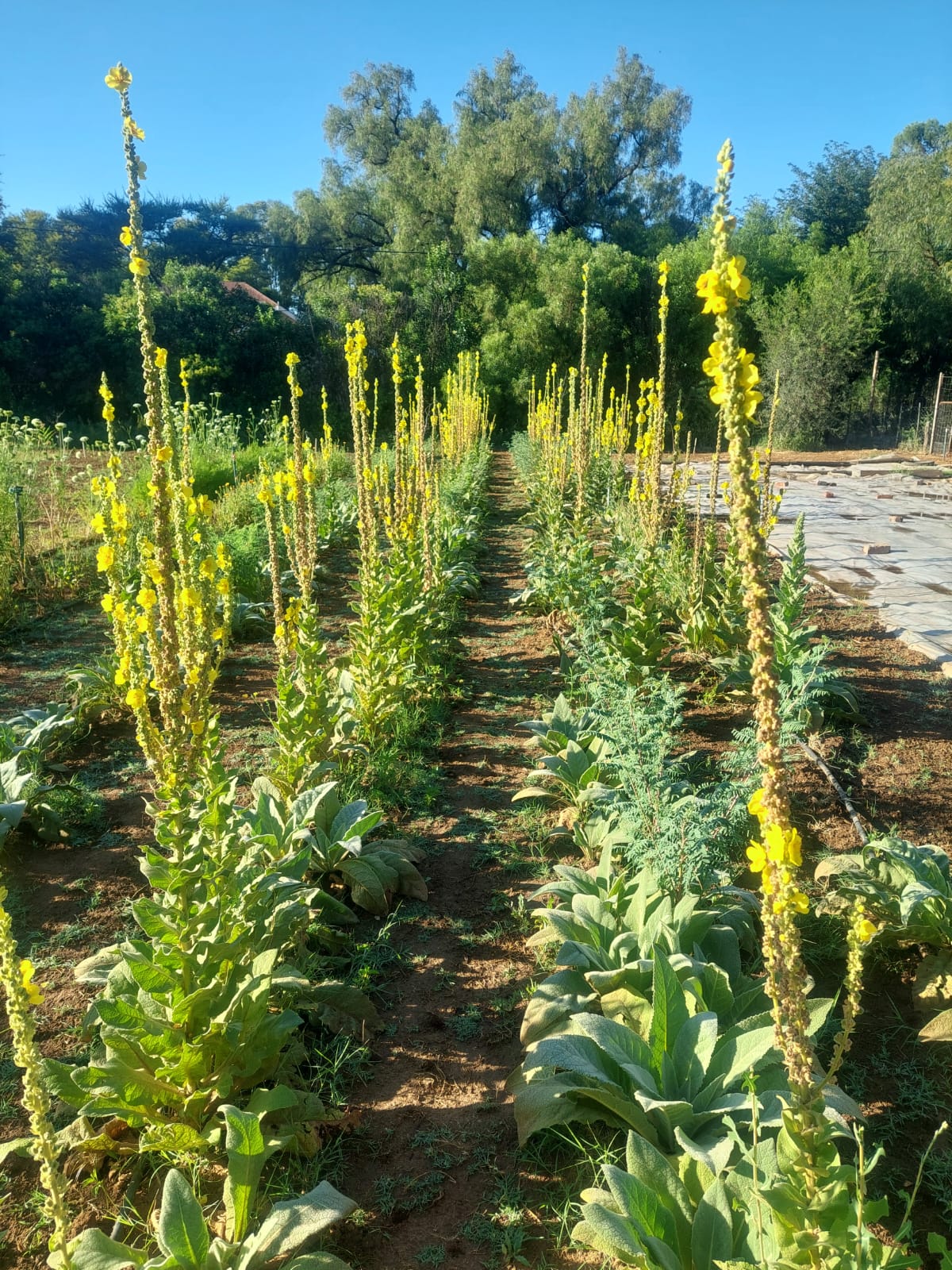
Exploring the benefits of mullein can be a rewarding journey into the world of herbal medicine. While harvesting wild herbs is a wonderful skill, it is crucial to identify plants with 100% certainty before use. It’s also vital to source mullein from clean, uncontaminated soil, as its deep roots can absorb and accumulate heavy metals from its environment.
For those seeking a convenient and trusted source, Rapha’s Healing Herbs offers a wide range of high-quality mullein products. Whether you’re looking for fresh mullein plants, seeds to grow your own, or ready-made preparations like dry plant material, soothing teas, potent tinctures, and topical balms, salves, and infused oils containing mullein leaf, mullein flower, and mullein root, you can find them at Rapha’s Healing Herbs.
Re-thinking the Weeds
From soothing irritated lungs and painful ears to strengthening the spine, healing wounds, and toning the bladder, the mullein plant is a testament to nature’s quiet power. This common “weed” is an incredibly versatile, head-to-toe herbal ally, offering a pharmacy’s worth of support in its fuzzy leaves, bright flowers, and earthy root.
It makes you wonder what other powerful remedies are hiding in plain sight, just waiting to be rediscovered.